Do you often feel cold even when everyone around you seems comfortable? Perhaps you need an extra layer of clothing in an air-conditioned room, or your hands and feet feel cold even when the weather is warm.
Feeling cold occasionally is normal. However, if you frequently feel colder than other people or notice a persistent change in your temperature sensitivity, it may be worth understanding the underlying cause.
Several factors can contribute to feeling unusually cold, including low body weight, inadequate nutrition, anaemia, an underactive thyroid, and certain circulation-related conditions. In some cases, a healthcare professional may recommend blood tests to help identify the cause.
At CPL Diagnostics, we believe that understanding your symptoms and seeking appropriate medical advice are important steps towards better-informed healthcare decisions.
Why Do I Feel Cold All the Time?
The body maintains its internal temperature through a combination of metabolic activity, blood circulation, and responses to changes in the surrounding environment. When one or more of these processes is affected, you may become more sensitive to cold.
Here are some possible reasons you might feel cold more often than others.
1. Iron Deficiency and Anaemia
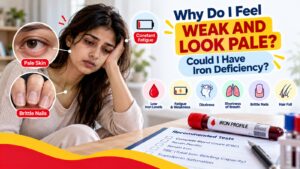
Iron is essential for producing haemoglobin, a protein in red blood cells that carries oxygen throughout the body. When iron levels are insufficient, the body may not produce enough healthy red blood cells, potentially leading to iron-deficiency anaemia.
Anaemia can sometimes cause people to feel unusually cold, particularly in their hands and feet. Other symptoms may include:
- Persistent tiredness or weakness
- Pale skin
- Dizziness or light-headedness
- Shortness of breath during activity
- Headaches
- A noticeably faster heartbeat
Not everyone with iron deficiency experiences all these symptoms, and feeling cold alone does not establish that you have anaemia.
Tests that may help: A Complete Blood Count (CBC) can help assess red blood cells and haemoglobin. Depending on your symptoms and medical history, a healthcare professional may also recommend serum ferritin and other iron studies to evaluate your iron status.
2. An Underactive Thyroid (Hypothyroidism)
The thyroid gland produces hormones that help regulate metabolism, energy use, and body temperature. When the thyroid does not produce enough hormones, a condition known as hypothyroidism, some bodily processes slow down.
One common symptom is increased sensitivity to cold, even when the temperature seems comfortable to others.
Other possible symptoms include:
- Fatigue and low energy
- Unexplained weight gain
- Dry skin
- Constipation
- Hair thinning
- Difficulty concentrating
- Changes in menstrual periods
These symptoms can occur for many reasons, so they cannot confirm a thyroid disorder on their own.
Tests that may help: A Thyroid-Stimulating Hormone (TSH) test is commonly used to assess thyroid function. A Free T4 test may also be recommended depending on the TSH result and clinical assessment.
3. Low Body Weight or Inadequate Nutrition
Body fat helps insulate the body and reduce heat loss. People with lower body fat may therefore feel colder than others, particularly in cool environments.
Inadequate food intake can also affect energy availability and the body’s ability to maintain normal temperature. Nutritional deficiencies may contribute to other symptoms, including weakness, fatigue, and poor concentration.
Consider whether you have recently experienced:
- Unintentional weight loss
- Reduced appetite
- Skipping meals regularly
- A restrictive diet
- Persistent weakness or fatigue
If feeling cold began alongside unexplained weight loss or changes in appetite, speak with a healthcare professional to assess the possible causes.
Tests that may help: Testing depends on your symptoms and dietary history. A doctor may consider a CBC, iron studies, vitamin B12 testing, or other investigations when clinically appropriate. Not everyone who feels cold needs all these tests.
4. Circulation Problems
Blood circulation helps distribute heat throughout the body. If blood flow to the hands and feet is reduced, these areas may feel particularly cold.
Some people experience Raynaud’s phenomenon, in which blood vessels temporarily narrow in response to cold or stress. The fingers or toes may become unusually cold, numb, or painful and may change colour, often turning white or blue before returning to normal.
Other circulation-related symptoms can include:
- Numbness or tingling in the extremities
- Pain or discomfort in the hands or feet
- Noticeable colour changes in the fingers or toes
- Symptoms that worsen in cold environments
Persistent coldness in one limb, especially with pain or colour changes, should not be ignored.
Important: Blood tests alone cannot diagnose every circulation problem. A healthcare professional may need to examine your circulation and recommend further assessment based on your symptoms.
5. Vitamin B12 Deficiency
Vitamin B12 is necessary for healthy red blood cell production and normal nerve function. A deficiency may contribute to anaemia and neurological symptoms, which can sometimes occur alongside feeling unusually cold.
Other possible symptoms include:
- Fatigue and weakness
- Tingling or numbness in the hands and feet
- Balance difficulties
- A sore or unusually smooth tongue
- Problems with memory or concentration
Vitamin B12 deficiency is more likely in certain circumstances, including some restrictive diets, absorption disorders, and the use of particular medications.
Tests that may help: A healthcare professional may recommend a CBC and serum vitamin B12 test if your symptoms and medical history suggest a possible deficiency.
6. Other Possible Causes of Feeling Cold
Feeling cold more frequently does not always indicate an underlying disease. Several other factors may contribute, including:
- Poor sleep and fatigue: Feeling exhausted may make everyday temperature changes harder to tolerate.
- Dehydration: Inadequate fluid intake can affect normal bodily functions, although cold intolerance alone is not a typical sign of dehydration.
- Certain medications: Some medicines can affect circulation or temperature regulation.
- Age and individual differences: Body composition, activity level, and normal differences in temperature perception can influence how cold you feel.
- Chronic health conditions: Certain conditions may affect metabolism, circulation, or the body’s ability to regulate temperature.
The significance of persistent cold sensitivity depends on the overall pattern of symptoms, your medical history, and any recent changes in your health.
Which Blood Tests Should You Consider If You Feel Cold All the Time?
There is no single blood test that identifies every cause of feeling unusually cold. The appropriate investigations depend on your symptoms, examination findings, diet, medications, and medical history.
A healthcare professional may consider the following tests when indicated.
| Test | What it helps assess |
|---|---|
| Complete Blood Count (CBC) | Haemoglobin and red blood cell measurements that can help identify anaemia |
| Serum Ferritin | The body’s stored iron, particularly when iron deficiency is suspected |
| Iron Studies | Measurements related to iron levels and iron transport |
| Thyroid-Stimulating Hormone (TSH) | Helps assess thyroid function |
| Free T4 | Measures a circulating thyroid hormone and may help clarify thyroid abnormalities |
| Vitamin B12 | Helps assess whether vitamin B12 deficiency may be contributing to symptoms |
These tests are not necessary for everyone. Your healthcare professional can determine which investigations are appropriate and whether additional testing is needed.
When Should You See a Doctor?
Consider arranging a medical consultation if you consistently feel colder than others without an obvious environmental reason, particularly if the symptom is new, persistent, or worsening.
You should seek medical advice if feeling cold occurs alongside:
- Unexplained weight changes
- Persistent fatigue or weakness
- Pale skin or breathlessness
- Hair thinning or constipation
- Tingling or numbness in the hands and feet
- Changes in menstrual periods
- Repeated episodes of dizziness
Seek urgent medical attention if unusual coldness occurs with confusion, fainting, severe breathlessness, chest pain, or a sudden painful and cold limb that becomes pale or blue.
How Can You Manage Feeling Cold While Identifying the Cause?
Simple changes may help you stay comfortable, but persistent symptoms should not be managed by lifestyle changes alone.
- Eat balanced meals: Include adequate calories, protein, iron-containing foods, and other essential nutrients.
- Dress in layers: Use suitable clothing in air-conditioned or cold environments.
- Stay physically active: Regular movement can support general health and circulation.
- Maintain hydration: Drink fluids regularly according to your needs.
- Prioritise sleep: Maintain a consistent sleep schedule and allow sufficient rest.
- Avoid self-diagnosis: Do not start iron, vitamin supplements, or thyroid medication without appropriate medical advice.
If you have a nutritional deficiency or an underlying medical condition, addressing that cause may be more effective than simply trying to stay warmer.
Frequently Asked Questions
Is feeling cold all the time a sign of anaemia?
It can be one symptom of anaemia, including anaemia caused by iron deficiency. However, cold sensitivity has many possible causes. A CBC and, when appropriate, iron studies can help assess whether anaemia or iron deficiency is present.
Can thyroid problems make you feel cold?
Yes. Hypothyroidism can slow metabolism and increase sensitivity to cold. A TSH test, sometimes followed by a Free T4 test, can help evaluate thyroid function.
Why are my hands and feet always cold?
Cold hands and feet can result from normal temperature responses, environmental conditions, or individual differences. Persistent symptoms accompanied by numbness, pain, or colour changes may warrant medical assessment for circulation-related conditions or other causes.
Should I get a full body checkup if I feel cold frequently?
Not necessarily. A full body checkup may include tests that are not relevant to your symptoms. A medical consultation can help identify appropriate investigations, such as a CBC, iron studies, or thyroid function tests, based on your individual circumstances.
Can low iron make me feel cold even in summer?
Iron deficiency can contribute to feeling unusually cold regardless of the season, particularly if it has caused anaemia. However, feeling cold in warm weather does not automatically mean your iron levels are low.
Conclusion
Feeling cold when others are comfortable can sometimes reflect normal individual differences. However, persistent cold sensitivity may also be associated with iron-deficiency anaemia, hypothyroidism, nutritional deficiencies, or circulation-related conditions.
Understanding the cause is more useful than relying on symptoms alone. If you frequently feel cold or notice other changes in your health, consult a healthcare professional to determine whether blood tests or further evaluation are appropriate.
At CPL Diagnostics, we recognise the important role laboratory testing plays in supporting informed healthcare decisions. The right investigations, selected according to your symptoms and medical history, can help your healthcare professional assess possible underlying causes.
Explore our diagnostic services: Visit CPL Diagnostics to learn more about our laboratory testing services.
Medical disclaimer: This article is intended for general educational purposes and is not a substitute for professional medical advice, diagnosis, or treatment. Test selection and interpretation should be guided by a qualified healthcare professional.