Do you often feel sleepy, tired or unusually sluggish after eating? Perhaps you finish lunch and immediately struggle to keep your eyes open. Even after breakfast or dinner, you may feel like lying down instead of returning to your routine.
Feeling a little sleepy after a meal is fairly common. It can be influenced by the size and composition of your meal, your sleep quality and your body’s natural daily rhythm.
However, if you feel extremely sleepy after almost every meal, or the tiredness interferes with your daily activities, it may be worth investigating.
Persistent post-meal sleepiness can sometimes be associated with blood sugar fluctuations, poor sleep, certain medicines or underlying health conditions.
So, why does it happen? And when should you consider getting a health check-up?
Let’s understand the possible causes and the tests a doctor may recommend.
Is It Normal to Feel Sleepy After Eating?
Yes, mild sleepiness after eating can be normal.
You may notice it more after a large lunch or a meal containing substantial amounts of refined carbohydrates.
Your body also follows a natural sleep-wake cycle, known as the circadian rhythm. Many people experience a dip in alertness during the early afternoon, which can make post-lunch sleepiness more noticeable.
However, there is a difference between feeling slightly relaxed after eating and experiencing overwhelming sleepiness every time you have a meal.
If you regularly struggle to stay awake, feel exhausted despite getting enough sleep or experience other unusual symptoms, discuss them with a healthcare professional.
Why Do I Feel Sleepy After Every Meal?
Several factors can contribute to sleepiness after eating. Here are some common possibilities.
1. Eating Large Meals
One of the simplest explanations is eating too much at once.
Large meals can leave you feeling physically uncomfortable, sluggish and less alert. They may also make normal afternoon tiredness more noticeable.
You may experience:
- A heavy or overly full feeling
- Reduced energy after eating
- Difficulty concentrating
- A strong desire to lie down
If you regularly eat large portions, try having smaller, balanced meals and observe whether your energy levels improve.
2. Eating Too Many Refined Carbohydrates
What you eat can influence how you feel afterwards.
Meals containing large amounts of refined carbohydrates, such as white bread, sweets, sugary drinks and some highly processed foods, can cause changes in blood glucose levels.
Your body releases insulin to help move glucose from the bloodstream into cells.
For some people, meals high in rapidly digested carbohydrates may be followed by changes in energy levels. However, feeling sleepy after eating does not automatically mean your blood sugar is abnormal.
Try combining carbohydrates with protein, fibre and healthy fats. For example, adding vegetables, pulses, eggs, curd or other protein sources can make a meal more balanced.
3. Blood Sugar Fluctuations
Blood glucose levels naturally rise after eating. Your body releases insulin to help regulate them.
However, problems with glucose regulation can sometimes contribute to symptoms such as fatigue.
Two conditions worth understanding are:
Diabetes or insulin resistance
When the body does not use insulin effectively, or does not produce enough insulin, blood glucose levels can become elevated.
Some people with diabetes experience fatigue, increased thirst, frequent urination and blurred vision. However, sleepiness immediately after meals is not enough to identify diabetes.
Reactive hypoglycaemia
Reactive hypoglycaemia refers to low blood glucose occurring after a meal, typically within a few hours.
Possible symptoms include:
- Shakiness
- Sweating
- Sudden hunger
- Dizziness
- Weakness
- Palpitations
- Confusion or difficulty concentrating
Feeling sleepy alone does not establish that your blood sugar has dropped. A glucose measurement taken during symptoms, interpreted by a healthcare professional, may be needed to investigate suspected hypoglycaemia.
4. Not Getting Enough Quality Sleep
Your sleep habits can strongly influence how alert you feel during the day.
If you regularly sleep late, wake up frequently or do not get enough sleep, you may experience excessive daytime sleepiness.
After a meal, particularly lunch, this tiredness can become more noticeable.
Possible signs of inadequate or poor-quality sleep include:
- Feeling tired even after waking up
- Difficulty concentrating
- Frequent daytime naps
- Irritability
- Struggling to stay awake while working
If you snore loudly, wake up gasping or experience persistent daytime sleepiness despite adequate time in bed, a doctor may consider whether a sleep disorder such as obstructive sleep apnoea is involved.
5. Anaemia or Iron Deficiency
Anaemia occurs when your blood does not have enough healthy red blood cells or haemoglobin to carry oxygen effectively.
Iron deficiency is one common cause of anaemia.
Although anaemia does not specifically cause sleepiness only after meals, it can make existing daytime fatigue more noticeable.
Other possible symptoms include:
- Persistent tiredness
- Weakness
- Pale skin
- Dizziness
- Breathlessness during physical activity
- Headaches
- Difficulty concentrating
If these symptoms occur regularly, a doctor may recommend a Complete Blood Count (CBC) and, when appropriate, iron studies.
6. Thyroid Problems
The thyroid gland produces hormones that help regulate metabolism and several important body functions.
An underactive thyroid, known as hypothyroidism, can slow down many processes in the body.
Possible symptoms include:
- Persistent tiredness
- Feeling unusually cold
- Weight gain
- Constipation
- Dry skin
- Hair thinning
- Difficulty concentrating
Hypothyroidism does not usually cause sleepiness exclusively after eating. However, it may contribute to ongoing fatigue that becomes more noticeable after meals.
A doctor may recommend thyroid function testing if your symptoms suggest a thyroid problem.
7. Certain Medicines
Some medicines can cause drowsiness or fatigue as a side effect.
Examples include:
- Certain antihistamines used for allergies
- Some anti-anxiety medicines
- Certain antidepressants
- Sleeping tablets
- Some pain-relief medicines
If you notice that sleepiness has increased after starting a new medicine, discuss it with your doctor or pharmacist.
Do not stop or change prescribed medication without medical advice.
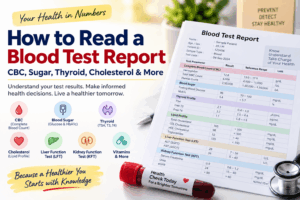
Which Blood Tests May Help Find the Cause?
There is no single blood test that explains every case of post-meal sleepiness.
The appropriate investigations depend on your symptoms, medical history, lifestyle and clinical examination.
Your doctor may consider the following tests when relevant.
1. Fasting Blood Glucose
This test measures your blood glucose level after a period of fasting, usually at least eight hours.
It helps assess your blood sugar status and may be used to screen for or investigate diabetes.
2. HbA1c Test
The HbA1c test measures the percentage of haemoglobin in your blood that has glucose attached to it.
It provides an estimate of your average blood glucose level over approximately the previous two to three months.
Doctors may recommend it to assess long-term blood sugar control and help diagnose diabetes or prediabetes.
3. Complete Blood Count (CBC)
A CBC measures different components of your blood, including:
- Haemoglobin
- Red blood cells
- White blood cells
- Platelets
It can help identify anaemia and certain other blood-related abnormalities that may contribute to fatigue.
4. Thyroid Function Test
Thyroid function testing commonly includes TSH and may include Free T4, depending on the clinical situation.
These tests help assess whether your thyroid gland is producing an appropriate amount of thyroid hormone.
They may be recommended if tiredness occurs alongside symptoms such as unexplained weight changes, constipation, hair thinning or unusual sensitivity to cold.
5. Iron Studies
If iron deficiency is suspected, your doctor may recommend tests such as:
- Serum ferritin
- Serum iron
- Total Iron-Binding Capacity (TIBC)
- Transferrin saturation
These investigations help assess your body’s iron status and may be useful when evaluating suspected iron deficiency.
Important: You may not need all these tests. A doctor should select investigations based on your symptoms and medical history. If low blood sugar is suspected, glucose testing during the actual symptoms may be more useful than routine fasting tests alone.
When Should You Be Concerned About Sleepiness After Eating?
Occasional mild sleepiness after a heavy meal is generally not a reason to panic.
However, consider consulting a doctor if:
- You feel extremely sleepy after almost every meal.
- Your tiredness affects your work, studies or daily routine.
- You feel exhausted even after getting adequate sleep.
- You experience frequent thirst or urination.
- You have unexplained weight changes.
- You experience dizziness, shakiness or sweating after eating.
- You have persistent fatigue, weakness or difficulty concentrating.
Seek urgent medical attention if sleepiness is accompanied by fainting, severe confusion, difficulty breathing, chest pain or difficulty waking up.
These symptoms should not be dismissed as ordinary post-meal tiredness.
How Can You Prevent Sleepiness After Meals?
A few practical changes may help reduce mild post-meal sluggishness.
- Avoid very large meals: Try smaller portions instead of eating too much at once.
- Choose balanced meals: Include vegetables, protein, fibre and suitable carbohydrate portions.
- Reduce sugary foods and drinks: Limit excessive intake of sweets, sugary beverages and highly refined carbohydrates.
- Stay hydrated: Drink enough water throughout the day.
- Take a short walk: A gentle 10–15-minute walk after eating may help support glucose regulation and reduce sluggishness.
- Maintain a regular sleep schedule: Aim for consistent, sufficient sleep.
- Avoid excessive alcohol: Alcohol can contribute to drowsiness and affect sleep quality.
If the problem continues despite these changes, do not rely only on lifestyle adjustments. Discuss your symptoms with a healthcare professional.
Frequently Asked Questions
1. Why do I feel sleepy immediately after eating?
It may be related to a large meal, your body’s natural afternoon dip in alertness, poor sleep or the composition of your food. If it happens regularly and affects your daily routine, consider discussing it with a doctor.
2. Does feeling sleepy after eating mean I have diabetes?
No. Sleepiness after meals alone is not a reliable sign of diabetes. Diabetes may cause fatigue along with symptoms such as increased thirst, frequent urination and unexplained weight changes. Blood glucose testing and HbA1c may help assess your blood sugar status.
3. Can low blood sugar make me sleepy after eating?
Low blood sugar can cause weakness, dizziness, sweating, shakiness, hunger and sometimes confusion or unusual tiredness. Reactive hypoglycaemia can occur after meals, but symptoms alone cannot confirm it. Blood glucose measurement during symptoms may be needed.
4. Why do I feel sleepy after lunch but not breakfast?
The natural afternoon dip in alertness can make sleepiness more noticeable after lunch. A heavier lunch, poor sleep the previous night or the type of food you eat may also contribute.
5. Which blood test should I take if I feel tired after eating?
There is no universal test for post-meal sleepiness. Depending on your symptoms, a doctor may consider fasting blood glucose, HbA1c, CBC, thyroid function testing or iron studies. The right choice depends on the suspected cause.
Get the Right Diagnostic Support with CPL Diagnostics
Feeling sleepy after meals can be related to everyday factors such as large portions and inadequate sleep. However, persistent or excessive sleepiness may sometimes be associated with blood sugar problems, anaemia or thyroid conditions.
Understanding the underlying cause is more useful than randomly choosing blood tests.
At CPL Diagnostics (Calcutta Path Labs), we provide diagnostic laboratory services to support patients and healthcare professionals.
If your doctor recommends investigations to evaluate persistent fatigue or possible blood sugar abnormalities, you can explore relevant diagnostic services through CPL Diagnostics.
Depending on your doctor’s recommendation, investigations may include:
- Fasting Blood Glucose
- HbA1c
- Complete Blood Count (CBC)
- Thyroid Function Test
- Iron Studies
Not everyone experiencing post-meal sleepiness needs all these tests.
Explore diagnostic services: https://www.cpl.net.in/
For test-related enquiries and appointments: +91 94330 26662
CPL Diagnostics serves patients across Kolkata, Asansol and Patna. Contact our team to confirm test availability, sample collection arrangements and reporting timelines for your location.
Medical Disclaimer: This article is intended for general health education and does not replace professional medical advice, diagnosis or treatment. Persistent or excessive daytime sleepiness should be evaluated by a qualified healthcare professional. Do not start medication or supplements without medical advice.