Wondering whether your blood sugar is under control? The HbA1c test is one of the most useful blood tests for measuring your average blood glucose levels over the past 2–3 months. It is commonly used to screen for prediabetes and diabetes and to monitor blood sugar control in people who have already been diagnosed with diabetes.
Unlike a regular blood glucose test, which shows your blood sugar at a specific moment, an HbA1c test provides a longer-term picture of your blood sugar levels.
In this guide, we explain what an HbA1c test is, how it works, the normal HbA1c range, what different HbA1c levels mean, and why regular testing is important.
What Is an HbA1c Test?
HbA1c, also called hemoglobin A1c or glycated hemoglobin, is a blood test that measures the percentage of hemoglobin in your red blood cells that has glucose attached to it.
Hemoglobin is a protein in red blood cells that carries oxygen throughout the body. When glucose circulates in your bloodstream, some of it naturally attaches to hemoglobin. The more glucose present in your blood, the more hemoglobin becomes glycated.
Because red blood cells generally circulate for several months, your HbA1c level gives an indication of your average blood sugar levels over approximately the previous 2–3 months.
Why Is the HbA1c Test Important?
The HbA1c test is important because it can provide a broader picture of blood sugar control than a single blood glucose measurement.
Doctors may use an HbA1c test to:
- Screen for prediabetes and type 2 diabetes
- Help diagnose diabetes
- Monitor blood sugar control in people with diabetes
- Evaluate whether lifestyle changes are working
- Assess how well a diabetes treatment plan is working
- Determine whether treatment may need to be adjusted
Regular monitoring can help you and your healthcare professional identify changes in blood sugar control and take appropriate action.
HbA1c Normal Range: What Do the Numbers Mean?
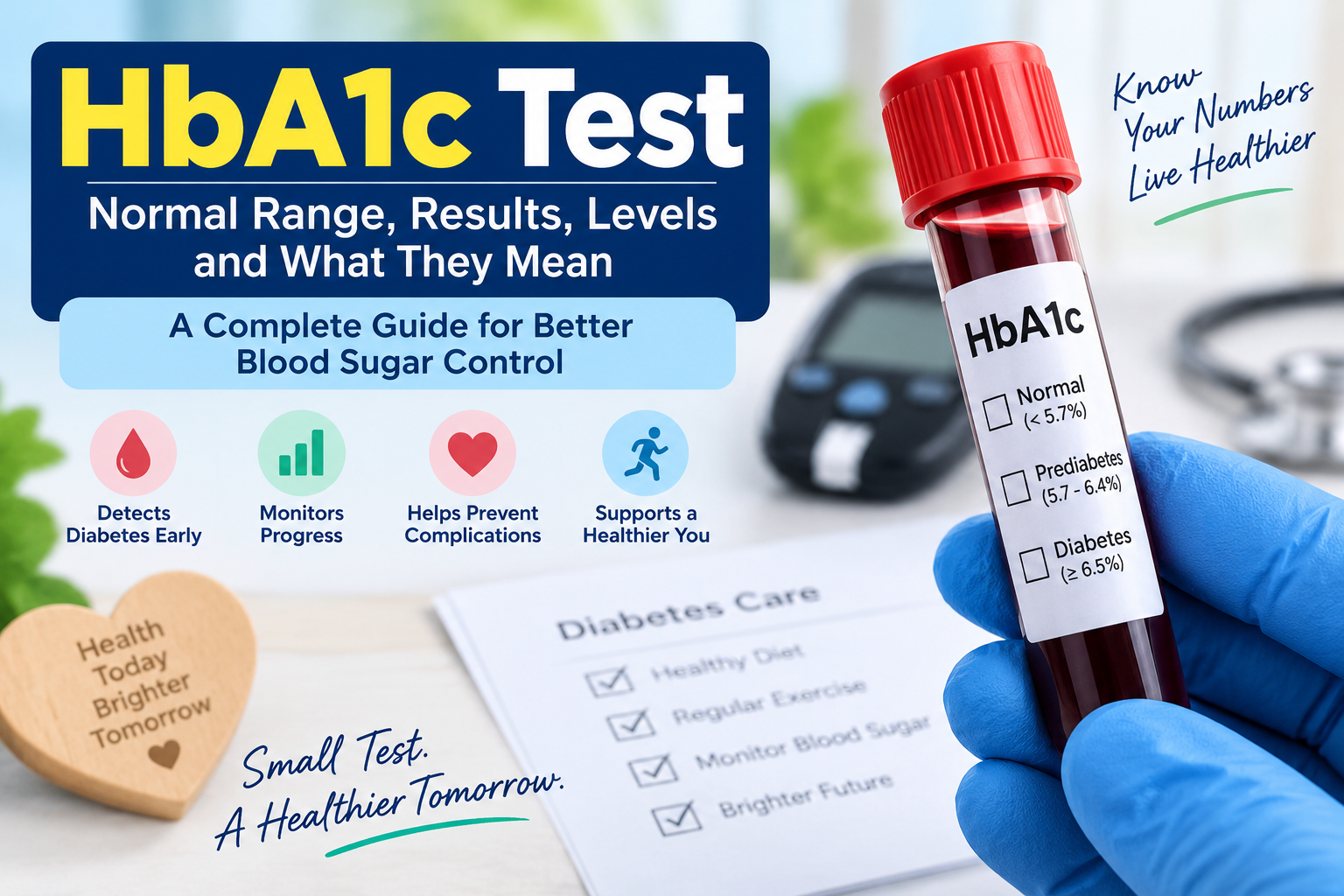
HbA1c results are reported as a percentage. For most adults, the commonly used diagnostic categories are:
| HbA1c Level | What It May Indicate |
|---|---|
| Below 5.7% | Normal |
| 5.7%–6.4% | Prediabetes |
| 6.5% or higher | Diabetes |
An HbA1c result should not be interpreted in isolation. If your result is in the diabetes range, your healthcare professional may recommend repeat testing or another blood glucose test to confirm the diagnosis, depending on your circumstances.
HbA1c Below 5.7%
An HbA1c below 5.7% is generally considered within the normal range for diabetes screening.
However, having a normal HbA1c does not mean that you should ignore other risk factors for diabetes. Family history, weight, physical activity, diet, age, and other health factors can affect your risk.
HbA1c Between 5.7% and 6.4%
An HbA1c between 5.7% and 6.4% is generally classified as prediabetes.
Prediabetes means blood sugar levels are higher than normal but are not yet in the range used to diagnose diabetes.
The good news is that identifying prediabetes provides an opportunity to make lifestyle changes and discuss appropriate monitoring with your healthcare professional.
HbA1c of 6.5% or Higher
An HbA1c of 6.5% or higher is in the range used for diagnosing diabetes.
However, one test result may not be enough to establish a diagnosis in every situation. Your doctor will consider your symptoms, medical history and other test results and may repeat the test to confirm the result.
What Is a Good HbA1c Level for Someone With Diabetes?
The appropriate HbA1c target for a person who already has diabetes is not necessarily the same for everyone.
Your target may depend on factors such as:
- Your age
- Type and duration of diabetes
- Current treatment
- Risk of low blood sugar
- Other medical conditions
- Pregnancy status
- Overall health and individual circumstances
Many people with diabetes are given an HbA1c goal around 7%, but your personal target should be determined with your healthcare professional.
Do not change diabetes medication based solely on an HbA1c result without discussing it with your doctor.
How Often Should You Get an HbA1c Test?
The recommended frequency of HbA1c testing depends on your health and whether you have diabetes, prediabetes, or other risk factors.
People with diabetes may need testing several times a year to determine whether their treatment is working effectively. People with prediabetes or those at increased risk may be tested less frequently.
Your doctor can recommend the appropriate testing schedule based on your individual circumstances.
Does the HbA1c Test Require Fasting?
One advantage of the HbA1c test is that fasting is generally not required.
Unlike some blood glucose tests that may require you to avoid eating for a specific period beforehand, an HbA1c test can generally be performed at any time of day.
However, if your doctor has ordered other blood tests at the same time, you may still be instructed to fast. Always follow the preparation instructions provided by your healthcare professional or laboratory.
What Can Affect HbA1c Results?
Although HbA1c is a useful measure of average blood sugar, certain conditions can affect the accuracy of the result.
Factors that may influence HbA1c measurements include some forms of anemia, blood loss or transfusion, kidney or liver disease, pregnancy, and certain disorders affecting red blood cells or hemoglobin.
If you have a condition that may affect your red blood cells or hemoglobin, tell your healthcare professional so they can determine whether an HbA1c test is appropriate and how the result should be interpreted.
HbA1c Test vs. Blood Sugar Test
An HbA1c test and a blood glucose test provide different types of information.
A blood glucose test measures your blood sugar at a particular point in time. Your blood glucose can change throughout the day depending on food, exercise, stress, medication and other factors.
An HbA1c test provides an estimate of your average blood sugar exposure over the previous few months.
For this reason, doctors may use both tests when evaluating blood sugar and diabetes.
How Can You Improve Your HbA1c Level?
If your HbA1c is higher than recommended, lifestyle changes may help improve blood sugar control. Depending on your individual situation, your healthcare professional may recommend:
- Eating a balanced diet with appropriate portions
- Choosing more high-fiber foods and minimally processed foods
- Being physically active regularly
- Maintaining a healthy weight, if appropriate
- Taking prescribed medications as directed
- Getting adequate sleep
- Managing stress
- Monitoring your blood glucose when recommended
Small, consistent changes can make a meaningful difference over time.
When Should You Talk to a Doctor?
Consider speaking with a healthcare professional if you:
- Have an HbA1c result in the prediabetes or diabetes range
- Have symptoms associated with high blood sugar
- Have risk factors for diabetes
- Already have diabetes and your HbA1c is above your recommended target
- Notice significant changes in your blood glucose readings
- Have questions about your diabetes medication or treatment plan
Your doctor can interpret your HbA1c result alongside your symptoms, medical history and other test results.
Frequently Asked Questions About HbA1c
What does HbA1c stand for?
HbA1c stands for hemoglobin A1c. It is also known as glycated hemoglobin.
What is the normal HbA1c level?
For diabetes screening, an HbA1c level below 5.7% is generally considered normal.
Is 6.0% HbA1c normal?
An HbA1c of 6.0% falls within the prediabetes range. It does not mean you have diabetes, but it indicates that your blood sugar is higher than the normal range and should be discussed with a healthcare professional.
Is 6.5% HbA1c diabetes?
An HbA1c of 6.5% or higher is within the range used to diagnose diabetes. A healthcare professional may perform additional or repeat testing to confirm the diagnosis.
How long does an HbA1c test show blood sugar?
HbA1c generally reflects average blood sugar exposure over approximately 2–3 months, with more recent weeks having a greater influence on the result.
Do I need to fast for an HbA1c test?
Usually, no fasting is required for an HbA1c test. However, you may need to fast if other blood tests are being performed at the same time.
Conclusion
The HbA1c test is a simple and valuable tool for understanding long-term blood sugar control. It can help identify prediabetes and diabetes and allows people with diabetes to monitor how effectively their treatment is controlling blood glucose.
Understanding your HbA1c level is only the first step. The most important part is using that information with your healthcare professional to make appropriate decisions about diet, exercise, medication and ongoing monitoring.
If you have received an HbA1c result that concerns you, don’t try to interpret the number alone. Discuss it with a qualified healthcare professional who can consider your complete health picture and recommend the right next steps.