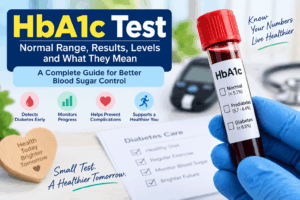
Have you ever visited a doctor and received a prescription containing several blood tests?
You may have wondered:
- Why do I need so many blood tests?
- What is each blood test checking?
- Are all these tests really necessary?
- Do I need to fast before my appointment?
- What happens if one of my results is abnormal?
- Can one blood test detect everything?
If you have asked any of these questions, you are not alone.
Doctors often recommend multiple blood tests because different tests provide different information about your health. One test may check your blood cells, another may measure blood sugar, while others may assess your thyroid, liver, kidneys, or cholesterol.
A group of blood tests can help your doctor build a clearer picture of your health than a single test alone.
In this guide, we explain why doctors order multiple blood tests, what common diagnostic tests measure, and how you can prepare for your laboratory appointment.
What Are Blood Tests Used For?
Blood tests are laboratory investigations that examine substances and cells in a sample of blood.
They help doctors investigate symptoms, assess certain health risks, monitor existing conditions, and evaluate how your body is functioning.
Depending on your situation, a doctor may order blood tests to:
- Investigate symptoms such as tiredness, weakness, fever, or dizziness.
- Check blood sugar and assess diabetes risk.
- Evaluate cholesterol and cardiovascular risk.
- Assess thyroid function.
- Check liver and kidney function.
- Look for anaemia or other blood count abnormalities.
- Monitor a known medical condition or treatment.
Not everyone needs the same blood tests. Your doctor selects investigations based on your symptoms, medical history, examination, and the clinical question they want to answer.
Why Do Doctors Order So Many Blood Tests at Once?
There are several reasons why your doctor may recommend multiple tests during one visit.
1. Different Tests Check Different Parts of Your Health
A blood test cannot measure everything.
For example, a CBC examines blood cells, while HbA1c provides information about average blood glucose over approximately the previous 2–3 months.
A thyroid test assesses thyroid-related function, while a kidney function panel may help evaluate kidney-related markers.
Each test answers a different question.
2. To Investigate the Cause of Symptoms
Sometimes, the same symptom can have several possible causes.
For example, persistent tiredness may be associated with anaemia, thyroid problems, nutritional deficiencies, sleep issues, or other medical conditions.
A doctor may order more than one investigation to help narrow down the possible causes.
Multiple tests do not necessarily mean your doctor suspects a serious disease. They may simply be trying to investigate a symptom carefully.
3. To Check Several Health Risk Factors
During a routine health checkup, your doctor may recommend tests that assess different aspects of health.
Depending on your age, risk factors, and medical history, this may include blood glucose, cholesterol, or other investigations.
However, the appropriate tests vary from person to person.
4. To Monitor an Existing Medical Condition
People with certain medical conditions may need regular laboratory testing.
For example, doctors may use blood tests to monitor:
- Diabetes management
- Kidney function
- Liver-related conditions
- Thyroid disorders
- Anaemia
- Certain medication treatments
The tests ordered depend on the condition and the treatment plan.
5. To Compare Results Over Time
A single blood test provides information from one point in time.
Repeat testing can help a doctor understand whether a measurement is changing, improving, or remaining stable.
This can be useful when monitoring certain conditions or evaluating treatment.
Common Blood Tests and What They Check
Let’s look at some of the most commonly ordered blood tests.
1. CBC – Complete Blood Count
A CBC is one of the most commonly performed blood tests.
It measures several components of blood, including:
- Red blood cells
- White blood cells
- Haemoglobin
- Haematocrit
- Platelets
- Other red blood cell indices
A CBC may help doctors investigate anaemia, infections, and certain blood-related conditions.
Why might a doctor order a CBC?
It may be recommended if you have persistent tiredness, weakness, suspected infection, or as part of an appropriate health assessment.
2. Blood Glucose Test
A blood glucose test measures the amount of glucose in your blood at the time of testing.
Doctors may order glucose testing to:
- Assess blood sugar
- Investigate symptoms
- Screen for diabetes or prediabetes when appropriate
- Monitor diabetes
The preparation depends on the specific glucose test. A fasting blood glucose test requires fasting, while other glucose tests may not.
3. HbA1c Test
HbA1c measures glycated haemoglobin and reflects average blood glucose over approximately the previous 2–3 months.
It is commonly used to assess blood sugar control and help diagnose diabetes or prediabetes in appropriate situations.
Does HbA1c require fasting?
Usually, no.
However, if other blood tests are ordered at the same appointment, those tests may require fasting.
4. Lipid Profile
A lipid profile measures different fats in the blood.
It may include:
- Total cholesterol
- LDL cholesterol
- HDL cholesterol
- Triglycerides
Doctors may recommend a lipid profile to assess cholesterol levels and cardiovascular risk.
Whether fasting is needed depends on the specific test and clinical circumstances.
5. Thyroid Function Tests
Thyroid tests help assess thyroid-related function.
Common tests include:
- TSH
- Free T4
- T3, when indicated
Doctors may recommend thyroid testing when investigating symptoms such as changes in weight, tiredness, or other concerns that could be related to thyroid function.
A single thyroid test may not always be enough to understand the full picture.
6. Liver Function Tests
Liver-related blood tests may include:
- ALT
- AST
- Bilirubin
- Alkaline phosphatase
- Albumin
These tests provide information about different aspects of liver health.
Doctors may order them when investigating symptoms, monitoring a known condition, or assessing possible liver-related concerns.
7. Kidney Function Tests
Kidney function testing may include measurements such as:
- Creatinine
- Urea
- eGFR
- Electrolytes, depending on the panel
These tests help doctors evaluate kidney-related function and monitor certain conditions.
8. Vitamin and Nutritional Tests
Depending on your symptoms and medical history, a doctor may recommend tests such as:
- Vitamin B12
- Folate
- Vitamin D
- Iron studies
- Ferritin
These are not required for everyone. They may be useful when a specific deficiency is suspected or when testing is clinically appropriate.
Why Can’t One Blood Test Check Everything?
This is a common question.
The reason is that blood contains many different substances and cell types, and each laboratory test is designed to measure particular markers.
For example:
| Test | Main purpose |
|---|---|
| CBC | Blood cells and haemoglobin |
| HbA1c | Average blood glucose |
| Lipid profile | Cholesterol and triglycerides |
| TSH | Thyroid-related assessment |
| LFT | Liver-related markers |
| KFT/RFT | Kidney-related markers |
| Vitamin B12 | Vitamin B12 level |
| Ferritin | Iron stores assessment |
Each test provides different information.
A CBC cannot replace a thyroid test, and an HbA1c test cannot replace a lipid profile.
Are All These Blood Tests Really Necessary?
The answer depends on your individual circumstances.
Some tests may be appropriate based on your symptoms, risk factors, or medical history. Others may be recommended for monitoring an existing condition.
However, not every person needs every available blood test.
If you are unsure why a test has been ordered, it is reasonable to ask your doctor:
- What is this test checking?
- Why do I need it?
- Do I need to fast?
- Will the result change my treatment?
- When should I expect the report?
Understanding the purpose of a test can make the process less stressful.
Do You Need to Fast Before Multiple Blood Tests?
Not necessarily.
Some blood tests require fasting, while many do not.
For example:
- CBC generally does not require fasting.
- HbA1c generally does not require fasting.
- Fasting blood glucose requires fasting.
- Some lipid testing may require fasting depending on the circumstances.
If your doctor orders several tests together, follow the preparation instructions for the specific tests.
What does fasting mean?
When fasting is required, you are generally instructed not to eat or drink anything except plain water for a specified period.
A common fasting period is around 8–12 hours, but the exact duration depends on the test.
If you are unsure, contact your doctor or diagnostic laboratory before your appointment.
Read our related article:
Do You Need to Fast Before a Blood Test? Complete Guide
What Happens During a Blood Test Appointment?
If you are visiting a diagnostic laboratory for multiple tests, the process is usually straightforward.
Step 1: Test prescription
The laboratory team reviews the tests requested by your doctor.
Step 2: Patient information
You may be asked about your preparation, medicines, and other relevant information.
Step 3: Blood collection
A trained healthcare professional collects a blood sample, usually from a vein in your arm.
Step 4: Laboratory analysis
The sample is processed using the appropriate testing methods.
Step 5: Report generation
Your results are compiled into a laboratory report.
The time required depends on the tests ordered and the laboratory’s processing schedule.
What If One of My Blood Test Results Is Abnormal?
An abnormal blood test result does not automatically mean that you have a serious disease.
Results can be influenced by several factors, including:
- Normal biological variation
- Recent illness
- Food intake
- Hydration
- Medicines
- Laboratory reference ranges
- Other health conditions
Your doctor will interpret the result in context.
For example, one abnormal value may need repeat testing, while another may require additional investigations.
Do not diagnose yourself based on one number from a blood test report.
Read our related article:
Why Is My Blood Test Result High or Low? What It Can Mean
How to Prepare for a Blood Test
Before your appointment, follow the instructions provided by your doctor or laboratory.
If fasting is required
- Follow the specified fasting duration.
- Drink plain water if permitted.
- Avoid food and other drinks during the fasting period.
- Avoid tea and coffee if instructed to fast.
- Ask about medicines before changing how you take them.
If fasting is not required
You may not need any special preparation.
However, always follow the specific instructions for your test.
Tell the laboratory if:
- You accidentally ate before a fasting test.
- You are taking regular medicines.
- You have questions about preparation.
- You feel unwell during the fasting period.
Questions to Ask Your Doctor About Multiple Blood Tests
If you receive a long list of investigations, you can ask:
1. Why have these tests been ordered?
Understanding the purpose helps you prepare and follow up appropriately.
2. Do any of these tests require fasting?
Some tests may need fasting, while others do not.
3. Can all the tests be done in one visit?
The laboratory can advise based on the tests requested.
4. When will the reports be available?
Turnaround time varies by test.
5. What should I do if a result is abnormal?
Your doctor can explain the appropriate next steps.
Frequently Asked Questions
Why do doctors order blood tests?
Doctors order blood tests to investigate symptoms, assess health risks, monitor medical conditions, and obtain information about different body functions.
Why do doctors order so many blood tests at once?
Different blood tests measure different substances or cells. Ordering several tests may help evaluate multiple aspects of health or investigate a symptom.
Do I need to fast for all blood tests?
No. Some tests require fasting, while many do not. Follow the instructions for your specific tests.
Can I drink water before a blood test?
Plain water is generally allowed during fasting, but follow any specific instructions provided by your doctor or laboratory.
Can a blood test detect every disease?
No. Blood tests are useful diagnostic tools, but some conditions require other investigations, such as urine tests, imaging, or physical examination.
What if I don’t understand my blood test report?
Ask your doctor or healthcare professional to explain the results. The laboratory report should be interpreted using its reference ranges and your clinical history.
Is it normal to feel worried about multiple blood tests?
Yes. Receiving several test recommendations can feel stressful. Asking your doctor what each test is for can help you understand the process.
Conclusion
Doctors order multiple blood tests because different tests provide different information about your health.
A CBC checks blood cells, HbA1c assesses average blood glucose, a lipid profile measures cholesterol and triglycerides, and thyroid, liver, and kidney tests provide information about other aspects of health.
Not everyone needs every test. Your doctor recommends investigations based on your individual circumstances.
If you receive a long list of blood tests, don’t hesitate to ask what each test is checking and whether any preparation is required.
At CPL Diagnostics, understanding your test requirements can help make your diagnostic experience smoother and more informed.
Follow your doctor’s instructions, prepare correctly, and discuss your results with a qualified healthcare professional.
This article is for general educational purposes and does not replace medical advice. The tests you need and the interpretation of your results depend on your individual health circumstances.